
How to Choose the Right Color Palette for Your Home

Color is more than just a visual element; it is a powerful tool that can influence mood, perception, and even behavior. For many homeowners, choosing the right color palette can be a daunting task. The challenge lies in selecting colors that not only complement each other but also resonate with personal tastes and the overall aesthetic of the home. This is particularly significant for high-income individuals who value exclusivity and personalization in their living spaces. The right color palette can transform a space, making it feel more luxurious, comfortable, and uniquely yours.

Identifying Your Personal Style and Preferences

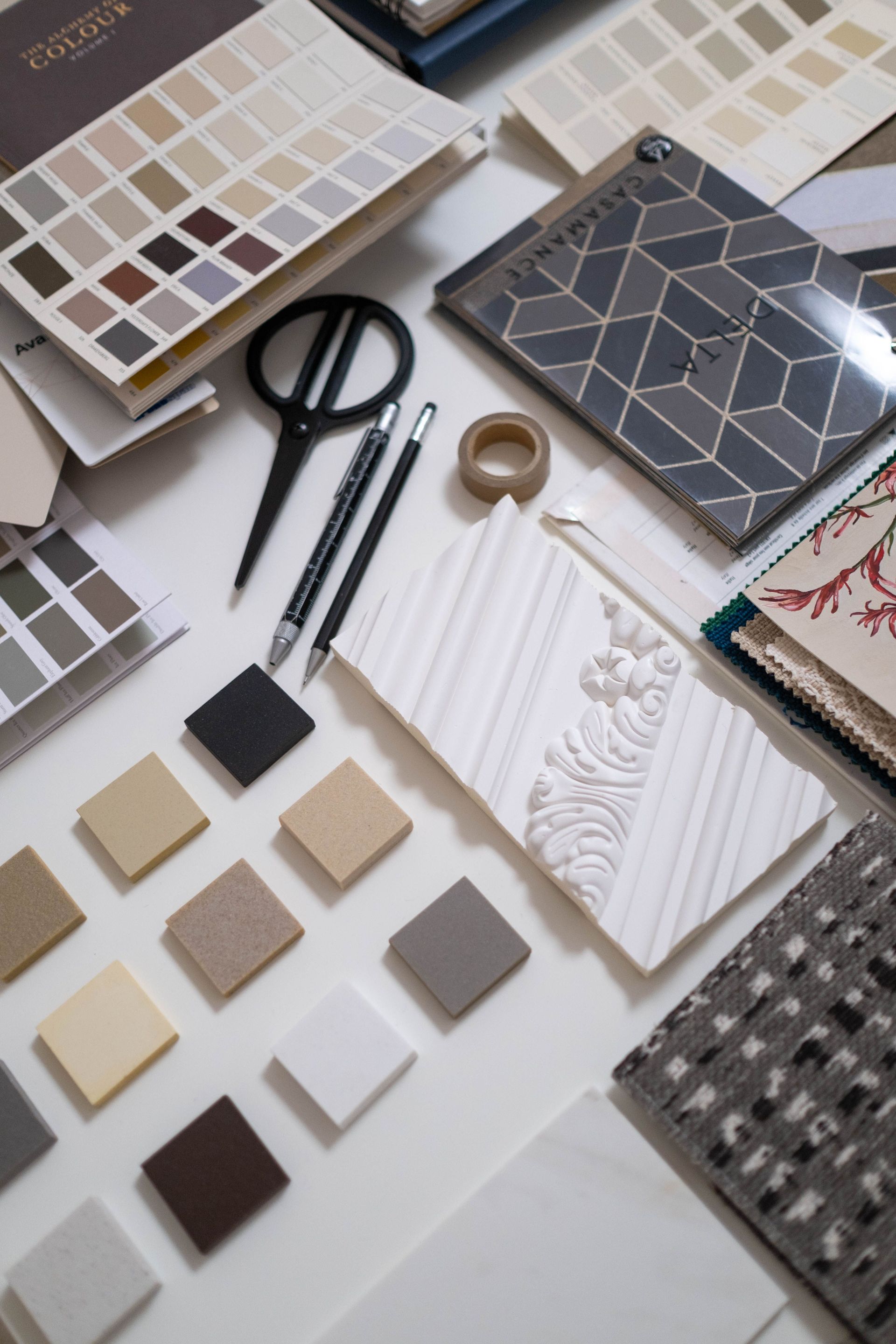
Before diving into the world of color swatches and paint samples, it's crucial to identify your personal style and preferences. Are you drawn to bold, vibrant colors, or do you prefer soft, muted tones? Do you want your home to feel cozy and inviting or sleek and modern? Understanding your style will serve as a foundation for your color choices. Consider creating a mood board with images, fabrics, and colors that inspire you. This will help you visualize how different elements work together and ensure that your color palette aligns with your vision.

Considering the Functionality of Each Space

Each room in your home serves a different purpose, and the color palette should reflect that functionality. For instance, a bedroom is a place of rest and relaxation, so calming colors like blues and greens might be ideal. On the other hand, a kitchen or dining area, where energy and activity are more prevalent, could benefit from warmer tones like reds or yellows. Think about how you use each space and what kind of atmosphere you want to create. This approach ensures that your color choices enhance the functionality and experience of each room.

The Impact of Lighting on Color Perception

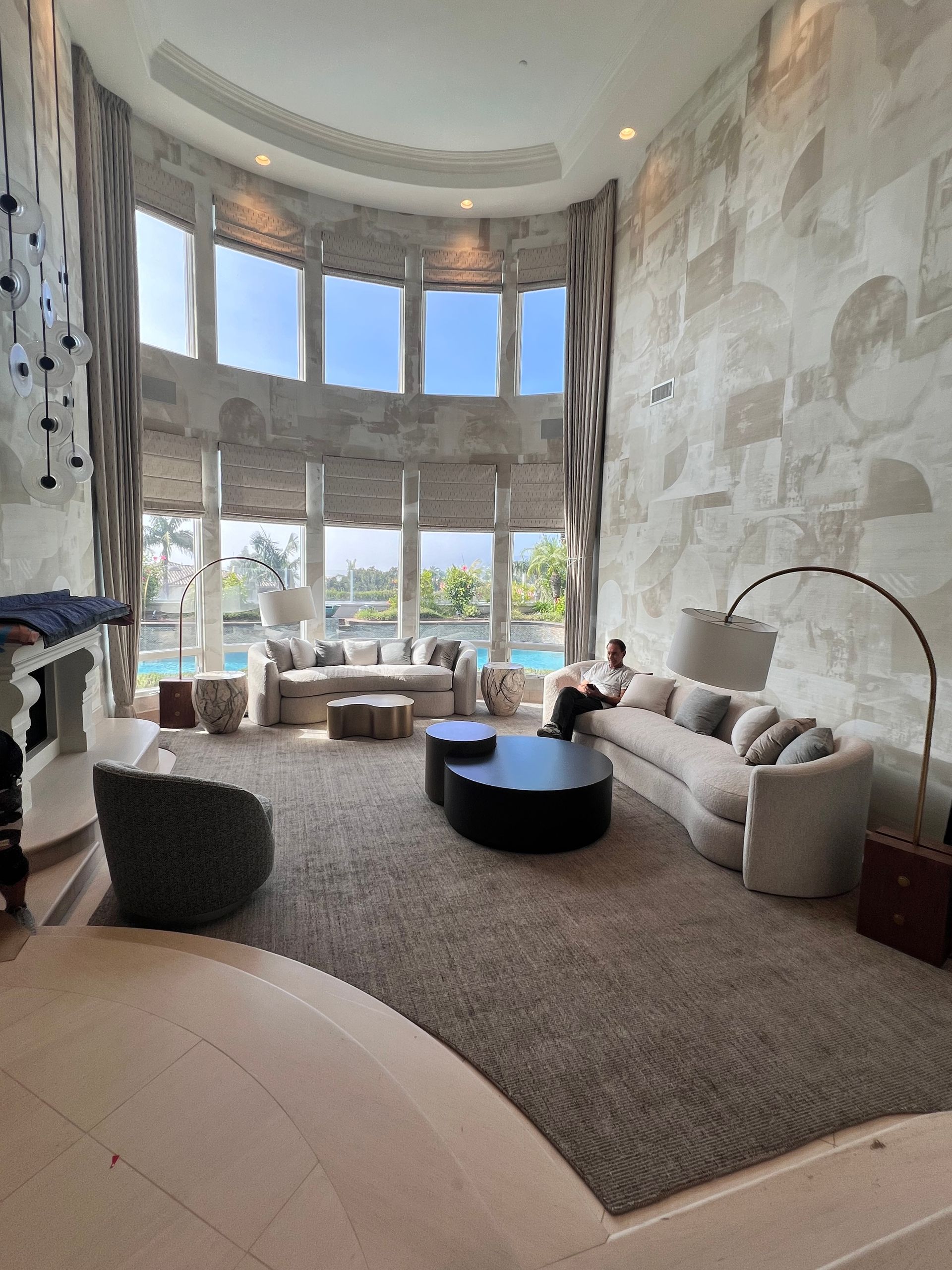
Lighting plays a critical role in how colors are perceived in a space. Natural light can make colors appear more vibrant, while artificial lighting can alter their hue and intensity. When selecting a color palette, consider the type of lighting in each room. Test paint samples under different lighting conditions to see how they change throughout the day. This step is especially important for homeowners who prioritize aesthetics and want to ensure that their chosen colors maintain their intended effect regardless of the time of day.

Balancing Trends with Timelessness

While it's tempting to follow the latest color trends, it's important to strike a balance between trendy and timeless. Trends can quickly become outdated, while classic colors have enduring appeal. For those who value exclusivity and personalized design, consider incorporating trendy colors in smaller, easily changeable elements like accessories or accent walls. This way, you can keep your home looking fresh and contemporary without committing to a complete overhaul every few years. Timeless colors, on the other hand, form the backbone of your palette, ensuring longevity and versatility.

Incorporating Cultural and Personal Elements

For many homeowners, especially those who value exclusivity and personalization, incorporating cultural and personal elements into their color palette is a way to make their space truly unique. Consider colors that hold cultural significance or evoke personal memories. For example, a particular shade might remind you of a beloved vacation destination or a family heritage. Integrating these elements not only adds depth to your design but also creates a space that feels intimately yours. This approach resonates well with individuals who see their home as a reflection of their identity and personal history.

Eco-Friendly and Sustainable Choices

As environmental consciousness grows, many homeowners are seeking eco-friendly and sustainable options in their interior design choices. When selecting a color palette, consider using paints and materials that are low in volatile organic compounds (VOCs) and environmentally friendly. These choices not only contribute to a healthier living environment but also align with the values of those who prioritize sustainability. Furthermore, opting for colors inspired by nature, such as earth tones and greens, can enhance the eco-friendly feel of your home while maintaining a luxurious and stylish ambiance.

Utilizing Technology for Visualization

In today's digital age, technology offers incredible tools to assist in visualizing your color palette before making any commitments. Design software and apps can provide 3D renderings and virtual tours of your space with different color schemes, allowing you to see how various palettes will look in your home. This technology is particularly beneficial for high-income individuals who appreciate precision and wish to ensure that their choices will meet their expectations. By leveraging these tools, you can experiment with different combinations and make informed decisions that align with your aesthetic goals.

Seeking Professional Guidance

Choosing the right color palette for your home can be a complex process, and sometimes, seeking professional guidance is the best approach. Interior designers possess the expertise to understand your vision and translate it into a cohesive color scheme. They can offer insights into trends, timeless designs, and how to balance different elements within your space. For those with busy lifestyles, hiring a professional can alleviate the stress of decision-making and ensure a seamless process from concept to completion. This service is invaluable for individuals who desire a luxurious, well-curated home without the hassle of managing every detail themselves.


In the pursuit of creating a home that reflects your personal style and meets your functional needs, the process of selecting the right color palette is a journey of discovery and creativity. By understanding the significance of color, identifying your personal preferences, and considering the unique aspects of each space, you can craft an environment that is both visually appealing and deeply personal.


At Sara Arndt Interior Design, Inc., we understand the nuances of choosing the perfect color palette for your home. Serving areas such as Claremont, Pasadena, La Verne, and beyond, our team is dedicated to providing personalized design solutions that align with your vision and lifestyle. Whether you're seeking eco-friendly options or exclusive resources not readily available on the market, our expertise ensures that your home will be a true reflection of your identity and aspirations.


For those ready to embark on this transformative journey, we invite you to reach out to us at sara@interiordesignla.com. Let us help you create a space that is not only aesthetically pleasing but also uniquely yours, offering a seamless process from concept to completion. Your home deserves the best, and we are here to make that vision a reality.

By Sara Arndt May 28, 2026
Hire the best
By Sara Arndt May 28, 2026
This is a subtitle for your new post
By Sara Arndt May 28, 2026
Wondering what an interior designer costs in Los Angeles? Learn about hourly rates, flat fees, and what affects pricing. Sara Arndt Interior Design offers transparent pricing.
Top LA interior design trends 2026 - biophilic design, warm minimalism, saturated colors, Sara Arndt
By Sara Arndt May 28, 2026
Explore the top interior design trends shaping Los Angeles homes in 2026, from warm minimalism to biophilic design, with insights from Sara Arndt Interior Design.
Interior designer in Los Angeles consultation - Sara Arndt Interior Design beautiful home renovation
By Sara Arndt May 28, 2026
Looking for an interior designer in Los Angeles? Learn how to choose the right design professional for your home with expert tips from Sara Arndt Interior Design.
A person is sitting on a couch holding a remote control in front of a television.
May 1, 2025
The purists would say: television behind doors, they are to be watched but not seen. Not by dinner party guests, anyway. We all watch TV, probably too much TV. But it is becoming the stand out visual queue of each room in the era of casual design. As we get away from the paneled libraries with books up to 15? high lining each wall and find them more for decoration, the question remains….What about the TV? American Telvision viewing statistics are a fundamentally interesting part of this debate: Percentage of households that possess at least one television: 99 Number of TV sets in the average U.S. household: 2.24 Percentage of U.S. homes with three or more TV sets: 66 Number of hours per day that TV is on in an average U.S. home: 6 hours, 47 minutes Percentage of Americans that regularly watch television while eating dinner: 66 Number of hours of TV watched annually by Americans: 250 billion Percentage of Americans who pay for cable TV: 56 Number of videos rented daily in the U.S.: 6 million Number of public library items checked out daily: 3 million Percentage of Americans who say they watch too much TV: 49 With this much Television Viewing, who has time to put the TV behind doors. We celebrate it as a culture and as the American way of life want bigger, better, and HD! So this brings us to hanging 60? giants on the wall of the media rooms, yes, the den is now the Media Room in most households. A good designer can still find interesting ways to make this fit in with life in the dinner party set. One of the tricks I use is called VisionArt www.visionart.com This is a great way to incorporate artwork, original or printed giclee media into the TV scene. The artwork is down when TV is off, and rolls clean away when TV is on. The beautiful frames surround the flat screen and can be either installed in the wall or on the wall. Another option is a wall cabinet with bi-fold doors to hide the TV when it is not in use. In the kitchen I use flat screens that are on mechanisms to retract back into the upper cabinet base. In the bathrooms, two way mirrors cover flat screens behind the mirror leaving you an area to shave and watch the morning show simultaniously. When these televisions are off, you don’t even know they are there. So the question is a personal one, to hide or not to hide. Talk to your designer to discuss options to celebrate or alliviate the television revolution.
A large house with a garage and a for sale sign in front of it.
May 1, 2025
Walk through each room of the house noticing any piles of papers, magazines, untidy areas, and areas of furniture or accessories that your eye immediately goes to. The goal in Staging is to have the home read so clearly that it can sell itself. Remember you want to see the “bones” of the house, not the sellers “stuff” Make notes of any area that feels tight because of extra furniture that seems superfluous. Make a focus on items to delete before you look to add. If furniture feels like it is in a non-traditional place and the eye goes to it to figure out why it is there, suggest it be placed in a traditional way. Example, a desk in the dining room. Move to bedroom to use as a side-table. Recognize that some clients will be anxious about you creating a report in their home while they are present. It takes less time and you make clearer suggestions if you have the space to yourself to see it with the eyes of a potential buyer. Remind the seller that you are doing this exercise to recommend things that could help the home sell faster/for more money. Very important! If your eye travels to a very unsightly piece of furniture, it is better to remove the furniture and leave space than have it there. Slipcovers can obscure furniture that appears worn. Adding new, clean faux wood blinds in white or honey tones makes a huge difference for a small investment in a less expensive home. Buyers will read “wood shutters” when they are actually a fraction of the price. Cover up any obvious visual problems. Fix holes in the walls. Easy fix with putty and touch up paint. Less is more in the kitchen and bath. A clean kitchen and bathroom can go a long way in a buyer’s market. Understand that the seller still needs to live in the space. Create a plan for daily items to be put away when the home is being shown. Vanilla scented candles make a good impression on most people. Get good quality candles for your clients. Beeswax is also a scent that works with most of the population. Add shades to shabby chandeliers if it makes a visual impact. These can be purchased inexpensively on line or locally at Lamps Plus. Encourage your client to purchase a wool rug to cover a worn wood floor. Lighting is key. If the home is shown in the evening, turn on all the lamps. Ambient lighting makes rooms feel warm and inviting. Provide boxes for your clients to put the clutter in. Boxes can be put in pod storage or in an inconspicuous area. Having a few boxes around can make the buyer feel that the house is being let go of and is ready for them to make a home. Have professionals clean the carpets and rugs. I have a wonderful carpet cleaner and maid service if you need one. Remind your clients that they need to put a little into the house to get a lot out. Invest in good silk flowers and trees that you can loan your clients and move from home to home. Many times the seller will want to purchase them from you at an additional cost. Invest in neutral colored floor pillows. They feel homey in a bedroom or a family room on the floor and can cover up some issues with flooring. These do not have to be expensive and you can move them from home to home. Encourage the clients to get new bedding and a big fluffy duvet. This will encourage the buyers to see themselves in the bedroom and feel luxurious to the eye. Paint the rooms. Nothing says home like a fresh coat of paint. Make sure that you select a neutral color that works with the seller’s furniture and will work with many buyer’s furniture. Please call me for assistance if you need it. Flowers on the exterior. Make sure the yard is mowed and cleaned up. Rule of thumb, it should look better than when the seller lived there. Rule of thumb, the property and the interior should look better than when the seller lived there. If you say these words, it can help to ease the shock at moving, storing, things. Let your clients know this is STANDARD OPERATING PROCEDURE to sell the house for MORE MONEY. They will respond in kind.
A woman is sitting at a desk typing on a laptop computer.
May 1, 2025
One of the largest challenges that homeowners find with remodeling projects is the actual management of the projects. There are so many elements to contend with that someone who is “going it alone” can end up with huge headaches! As a Professional Interior Designer, I work continuously with project management. It is up to my office to schedule all the appropriate sub-contractors AND (this is the hardest part for most homeowners) make sure they come on time and finish before the next sub contractor is scheduled. With all the parts of the project, there can be as many as 10-15 different contractors to contend with. Interior Designers can streamline this process and make the headaches go away. I have utilized my contractors during many projects and know the quality of the work. Trying to meet with, find the lowest bids, and cross your fingers that the job will be done correctly is a challenge that my clients do not need to overcome. The Los Angeles Times had an article on August 6th about contractors who have taken thier clients for a ride. Not finishing projects, doing half the work for the entire deposit, and generally doing a sloppy job are some of the complaints. The contractors that I use have all been screened for workmanship and utilized on many projects prior to yours. Don’t get caught with problems that can haunt you for years. Project management takes time and effort, but it is well worth working out the kinks in the plan ahead of time. A Professional Interior Designer can help make the remodel smooth and easy.
A living room filled with furniture and a lot of windows.
May 1, 2025
Many clients call and say “we just don’t know where to go from here.” They essentially know what they want the final outcome to be, but not the steps to get to thier dream home. This is where a good Interior Designer can help. During a consultation session, an Interior Designer will typically listen to the project plan, review the space and offer suggestions to make the project visually exciting. An Interior Designer will have a portfolio to show past projects and have a client list for the new potential client to contact for references. Check to see if the Designer is affiliated with ASID, the American Society of Interior Designers, to get the most out of your investment. ASID Designers bring a host of knowledge, education, and experiences that will help you create your dream home. It is important to make sure that you feel you can work with the Interior Designer for the long term. Some clients end up thinking of thier designer as a friend who is helping them get through the challenging parts of remodeling or building. During the initial interview-consultatation, ask the Designer enough questions about how they work, how they will communicate with you, and how they visualize the project coming to completion. These determining factors will enable you to understand what the future will hold for you in this business relationship. Look over the Designer’s contract carefully. It should have more information about fees, presentation styles, and numbers of reselects available by flat fee. The contract should be very complete and contain all the legal information you will need to understand about your relationship. Remember that the Interior Designer is there to guide you and make your experience of remodeling, building or furnishing fun and exciting. The Designer should provide interesting ideas that you might never have imagined. Ask questions, communicate, and relate to the Designer as you would any professional who is assiting you with a professional skill set. They are there to help you achieve your goals and make your house your dream home!
A person is looking at a display of tiles in a store.
May 1, 2025
It is important to shop around for a Contractor to work on your large or small remodeling project. One way to find the right person is to get a referral from a friend or relative. Another way is to utilize the sources that your Interior Designer has experience with. If you are going it alone, make sure to get at least three bids from contractors to compare costs. Be certain that the costs include all aspects of the project and you are comparing apples to apples. I usually encourage my clients to select the contractor that they feel they can trust, midrange in price. If you get a bid underpriced to the extreme, be wary. As my father always says, “you get what you pay for.” Hiring an Interior Designer first can be helpful as Interior Designers have good sources that they can recommend to you. As a Designer, I normally research bids from contractors I have utilized in the past for my clients making sure all the information they need to complete the project is included or budgeted elsewhere. There are no good suprises when it comes to money. Make sure you discuss the timeline and if possible, get it in writing. Remember to be flexible and add 10-20% to your budget and timeline as a cushion. Remodeling can be a very stressful prospect if you don’t have proper design planning. Be certain to set your goals first, outline a solid plan second, and find the appropriate Designer to work with to find the right Contractor and achieve your remodeling dreams.